








The safest bank transfer casinos enforce SCA and segregated fund rules
Maximum payment security at UK gambling sites relies on Strong Customer Authentication (SCA), regulated Open Banking gateways, and segregated client accounts. Evaluating what is the safest money transfer method involves checking if the cashier routes deposits directly through the Faster Payments network without exposing raw banking credentials.
| Security Layer | Technical Standard | What It Protects | Verification Method |
|---|---|---|---|
| Strong Customer Authentication (SCA) | Two-factor banking app approval | Account access and transfer authorisation | Device biometric prompt or hardware passcode |
| PISP Gateway Tokenisation | Single-use API payment tokens | Sort code and account number privacy | Regulated gateway redirect screen in cashier |
| Cashier Transport Encryption | TLS cryptographic protocols | Data packets during deposit transmission | Browser padlock certificate inspection |
| Segregated Client Accounts | Ring-fenced bank balances | Player deposits against operational debts | Terms and conditions insolvency rating disclosure |
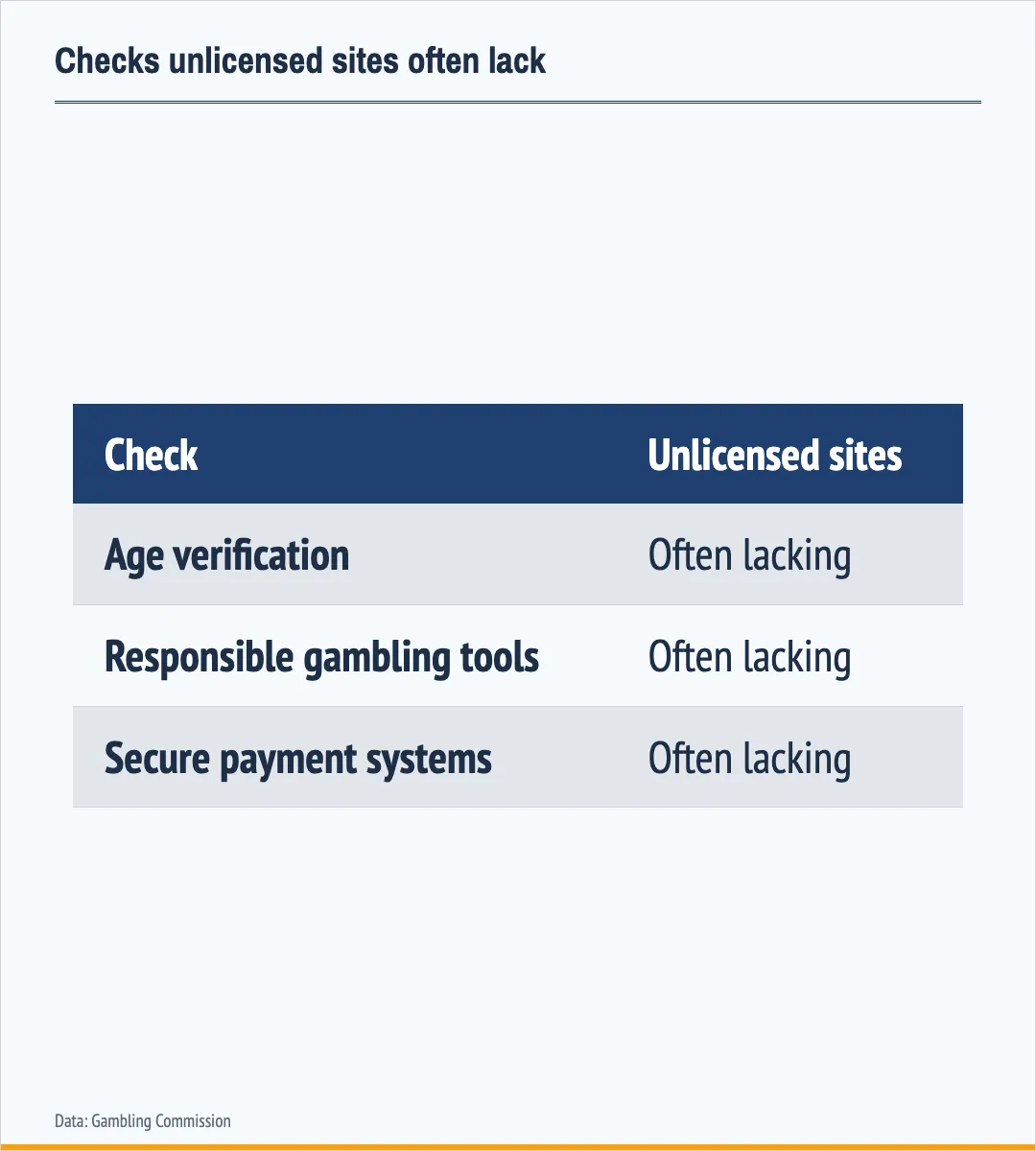
Before sending any funds, players should verify that the operator holds an active Gambling Commission licence, which must be clearly displayed on the website. Unregulated platforms often lack secure payment systems, creating severe risks of identity theft and blocked payouts. Comparing verified operators in our directory of bank transfer casinos helps players confirm these protective layers before depositing.
Hardware biometric checks block remote access to your UK sort code
Hardware biometric checks tie every Pay by Bank deposit to the physical mobile device registered with your UK current account. Even if a third party obtains your casino login details, they cannot initiate a wire transfer without passing Face ID or fingerprint scanning inside your banking app.
Answering whether is sending money via bank transfer safe depends heavily on this hardware lock, which fulfills UK consumer protection rules when you use a licensed operator.
Three insolvency protection tiers reveal how safe casinos ring-fence bank balances
Operators licensed by the Gambling Commission must disclose how they ring-fence player bank transfer balances across three distinct insolvency tiers. While the safest bank transfer casinos separate client money from corporate operational funds, basic segregation does not protect deposits if the company collapses.
| Protection Rating | Account Structure | Insolvency Protection | Where Checked |
|---|---|---|---|
| Basic Segregation | Client money held in a separate bank account from operational cash | Funds remain part of the business estate if the operator fails | Cashier deposit prompt and general terms |
| Medium Protection | Segregated bank accounts backed by insurance or a legal guarantee | Formal arrangements secure customer payouts during corporate administration | Dedicated fund protection policy page |
| High Protection | Independent trust account controlled by an external trustee | Legal ring-fencing prevents creditors from claiming player balances | Audited trust deed notice in account terms |
Under Section 33 of the Gambling Act 2005, providing gambling facilities in Great Britain without a valid operating licence is an offence, and only regulated sites enforce these transparent financial disclosures. Players depositing larger sums via CHAPS or BACS should inspect the footer terms to confirm whether an independent trustee oversees the ring-fenced balances.
End-to-end cashier encryption stops sort code interception at safe casinos
End-to-end Transport Layer Security (TLS) scrambles your sort code and account number into unreadable cipher text during cashier sessions. When you initiate a direct banking payment, cryptographic handshakes verify the receiving server before any financial data leaves your browser.
- Inspect the browser address bar for a valid TLS security certificate before entering payment details.
- Confirm that the cashier redirects directly to your official UK banking interface for payment approval.
- Avoid initiating direct bank transfers over unsecured public wireless networks without cellular data backup.
- Verify that the operator displays a valid Gambling Commission licence number in the website footer.
Gambling sites operating without a British licence often lack secure payment infrastructure, exposing consumers to data interception and fraud. Players who authorise transfers on smartphones can review our guide to mobile bank transfer casinos to check how browser certificate pinning prevents man-in-the-middle attacks on public networks.
Single-use Open Banking mandates prevent recurring casino bank debits
Single-use Open Banking mandates restrict casino cashiers to collecting only the exact deposit amount you approve for that specific transaction. Unlike stored debit cards, a Payment Initiation Service Provider (PISP) connection cannot set up recurring subscriptions or pull unapproved funds from your current account.
Because the Gambling Commission credit card prohibition bans operators from accepting credit cards for gambling, direct bank transfers serve as a primary funding method that guarantees players only spend available cash. You can explore how real-time settlement works across instant bank transfer casinos in the UK without leaving reusable billing credentials on file.
Payment Initiation tokens expire right after Faster Payments settlement
Cryptographic Payment Initiation tokens become invalid the moment your deposit settles through the Faster Payments network. Operating since 2008, the Faster Payment System processes these real-time bank transfers while ensuring the merchant never stores your underlying banking password.
Every subsequent deposit requires a fresh biometric signature inside your banking app, eliminating the risk of silent background billing.
Changing your withdrawal sort code triggers a mandatory security hold
Modifying your registered withdrawal sort code or account number automatically activates a compliance freeze on outgoing casino payouts. Safe operators enforce closed-loop anti-fraud protocols, meaning winnings must return to the exact UK bank account used for the original deposit.
When you switch current accounts, compliance teams pause the wire transfer to verify a bank statement showing your name and the new sort code. Although customer gambling winnings are completely tax-free in Great Britain—as tax is levied solely on the operator's Gross Gambling Yield—strict ownership checks remain mandatory to prevent account takeover fraud.
ISO security audits keep stored bank identifiers safe from data breaches
Independent Information Security Management System (ISMS) audits verify that a casino encrypts and isolates stored bank identifiers against external data breaches. Operators aligned with international ISO standards restrict staff access to your sort code, storing transaction logs in vaulted databases rather than plain text.
Relying on an offshore licence is unsafe because a gambling licence issued in another country does not permit an operator to serve consumers in Great Britain. Unlicensed platforms bypass mandatory British data protection audits, which the Gambling Commission warns can lead directly to identity theft and financial fraud.
Secure Pay by Bank gateways separate payment initiation from account reading
Standard Pay by Bank casino deposits utilise Payment Initiation permissions that cannot read your current account balance or transaction history. Regulated Open Banking APIs strictly separate payment execution from data harvesting, ensuring the gambling operator only receives confirmation that your transfer succeeded.
Since 31 March 2020, all UK-licensed operators must integrate with GAMSTOP, meaning identity checks happen against national registries rather than through covert scans of your bank statement. Players using dedicated casino software can read our guide on app bank transfer casinos to see how native mobile redirects preserve this strict permission boundary.
Account Information permissions require a separate player consent screen
Accessing your banking history for affordability checks requires an Account Information Service Provider (AISP) mandate, which triggers a separate, explicit player consent screen. A casino cannot bundle statement reading into a standard deposit approval without your manual authorisation.
If an operator requests AISP access during a routine source-of-funds review, your banking app will clearly list the exact data fields being shared before you confirm.
Unique Faster Payments IDs let safe bank transfer casinos trace funds
Every direct bank transfer generates a unique Faster Payments Reference ID that allows both your bank and the casino cashier to trace delayed funds across the clearing network. Operating 365 days per year, the Faster Payment System facilitates real-time transfers, though participating banks and casino operators set their own transaction limits.
- Locate the unique alphanumeric Faster Payments reference code inside your mobile banking statement.
- Submit the exact timestamp and reference number to the casino cashier support team first.
- Request a formal payment trace if the settlement exceeds the stated bank processing window.
- Escalate unresolved payout disputes to an approved ADR provider after 8 weeks of deadlock.
If a verified payout fails to arrive, you must first follow the operator's internal complaints process and supply this transaction code for a manual ledger trace. Should the payment dispute remain unresolved after 8 weeks, players at licensed casinos can escalate the trace to a free, independent Alternative Dispute Resolution (ADR) provider, which investigates financial discrepancies rather than general customer service issues.